There is a particular kind of exhaustion that seems to arrive only once the trip is over. You’ve made it home, but your body hasn’t quite caught up yet. The suitcase is sitting open on the floor, the laundry has somehow multiplied, your inbox feels overwhelming before you’ve even opened it, and your sleep schedule still belongs to another time zone. Even the things you normally enjoy- your morning workout, cooking dinner, getting back into your routine- can suddenly feel like items on a very long to-do list.
We tend to think of travel as the disruption and coming home as the reset, but the body doesn’t always work that quickly. A few days of late nights, unfamiliar meals, long flights, alcohol, less movement, and a completely different schedule can leave you feeling out of rhythm even after you’re back in your own bed. And while the instinct is often to compensate- to work out harder, eat “clean,” catch up on everything you missed, and get yourself back to normal as quickly as possible- we’ve found that the gentler approach is usually the more sustainable one.
Think of the first 48 hours home less as a reset and more as a re-entry. Your only job is to start giving your body the familiar signals it knows: water, nourishment, natural light, movement, rest, and a little bit of structure. You don’t need to overhaul your routine overnight. You simply need to begin returning to it.
Start With the Basics
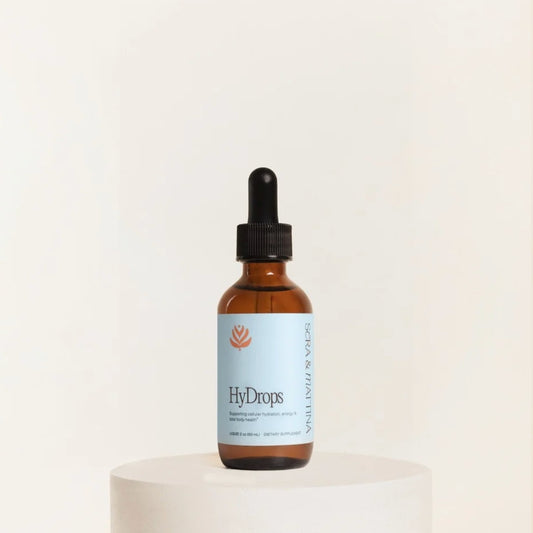
After traveling, hydration is one of the simplest places to begin. Between long flights, dry cabin air, more coffee or alcohol than usual, and simply being distracted from your normal habits, it’s easy for water to become an afterthought. Instead of trying to “catch up” all at once, make it one of the first things you return to. Keep water beside your bed, have a glass when you wake up, carry it with you while you unpack, and consider adding electrolytes when they make sense for your routine. There is nothing particularly glamorous about drinking enough water, but the fundamentals rarely need to be glamorous to be effective.
The same goes for food. Travel eating can be one of the best parts of being away, and there is no reason to undo that experience the moment you walk through your front door. You don’t need to compensate for restaurant meals, restrict what you eat, or spend the first day home trying to “detox.” Instead, simply return to regular meals and foods that make you feel grounded. A protein-forward breakfast, a proper lunch, plenty of colorful produce, and a nourishing dinner can do more to bring a sense of normalcy back than any extreme reset ever could. Sometimes the most supportive thing you can do for your body is simply feed it consistently again.

Let Your Body Catch Up
Movement is another place where a little restraint can go a long way. After being away, there can be a strange pressure to prove that you’re back to book the hardest class, go for the longest run, or immediately return to the workout schedule you had before you left. But your body doesn’t need to be punished for having traveled. It needs to move.
Take a walk. Stretch. Do your usual yoga practice. Spend some time outside. If you feel energized enough for a full workout, wonderful. If you don’t, there is nothing wrong with keeping things gentle for another day. The purpose of movement during re-entry isn’t to make up for lost time; it’s to help you reconnect with your body and bring some familiar rhythm back into your day.
And then there is light, which is perhaps one of the easiest tools to overlook. If your sleep schedule is still somewhere between home and your destination, getting outside in the morning can be a simple way to begin giving your body a clearer cue about when the day starts. Open the curtains as soon as you wake up, step outside with your coffee, or take a short morning walk before getting into work. You don’t need to turn it into another wellness task. Just let yourself be outside for a little while.
Make the First Night Home Quiet
The first evening back is worth protecting, too. It can be tempting to stay up late unpacking, answering emails, doing laundry, and trying to make your entire life feel organized again before you go to bed. But there is something to be said for letting the first night home be deliberately uneventful. Make a simple dinner, take a warm shower, dim the lights, put your phone down a little earlier, and give yourself permission to go to bed without having accomplished everything.
Sleep is one of the places where we often try to force a result. We decide that because we flew home on Tuesday, we should be completely adjusted by Tuesday night. But your body may need a little time to find its rhythm again. Rather than obsessing over the perfect bedtime or trying to optimize every part of your evening, focus on creating the conditions for rest and let your body do some of the work. The same philosophy applies to your inbox.
There is a psychological version of jet lag that happens when you return to everything that was waiting for you. Suddenly there are unread emails, unanswered messages, laundry, groceries, appointments, work, and a calendar that seems to have filled itself while you were away. The temptation is to attack it all immediately, but you don’t have to. Give yourself a little space before you let the outside world rush back in. You can answer the important emails without answering every email. You can unpack the essentials without reorganizing your entire home. You can make a list for tomorrow instead of trying to finish it all today. Your inbox is not an emergency simply because it is full.

Return to What Feels Familiar
Perhaps the most helpful way to think about the first 48 hours home is to make your routine smaller rather than bigger. We often imagine “getting back on track” as returning to every healthy habit at once—the early mornings, the workouts, the meal prep, the supplements, the skincare, the eight hours of sleep, the perfectly organized calendar. And when all of that feels impossible, we assume we’re failing at the reset. Instead, return to the constants.
Have your usual morning drink. Take your supplements. Make breakfast at home. Go for a walk. Put fresh sheets on the bed. Stock the refrigerator with foods you actually want to eat. Take your evening slowly. These small, familiar rituals have a way of making home feel like home again, and that feeling matters more than checking every box on a wellness list.
This is also where the idea of wellness becomes much less complicated. Hydration, protein, digestion, movement, and rest are not particularly exciting concepts, but they are the foundation we continue to come back to. Travel doesn’t mean you have to abandon them, and coming home doesn’t mean you need to overcorrect. You can simply begin incorporating them back into your day, one by one.
Coming Home Is Its Own Ritual
We’ve become very accustomed to the idea of a reset: the Monday reset, the post-holiday reset, the post-vacation cleanse, the new-week routine that promises to make us feel like a completely new person. But maybe coming home doesn’t require a reset at all. Maybe it requires a ritual.
A slower morning. A stocked fridge. Fresh sheets. A long shower. A walk outside. Your usual breakfast. Your favorite supplements back on the counter. An evening without plans. A little less screen time. An early night.
Travel expands your world, and coming home brings you back to yourself. There is no need to rush that transition or turn it into another thing to optimize.
So the next time you return from a trip, instead of asking yourself how quickly you can get back on track, ask a quieter question: What would help me feel at home in my body again?
Start there. Then return to the fundamentals. One morning, one meal, one walk, and one good night of sleep at a time.
x
Photo Reference: Photo 1, Photo 2, Photo 3