As the seasons change, so do the ingredients we naturally gravitate toward. Autumn brings warming spices, roasted vegetables, hearty soups, and, of course, pumpkin. While it's often associated with pumpkin spice lattes and holiday desserts, there's so much more to this seasonal favorite than its familiar fall flavor.
Pumpkin is incredibly versatile, naturally rich in essential nutrients, and easy to incorporate into everyday meals. From supporting digestive health to providing antioxidants, it's one of those ingredients that offers both flavor and nutritional value. And the best part? You don't need to completely change your routine to enjoy it. A little pumpkin purée in your morning oats, a homemade pumpkin soup, or even a seasonal smoothie can be an easy way to bring more variety into your diet.
What's Inside? The Nutritional Benefits of Pumpkin
That beautiful orange color isn't just for looks. Pumpkin contains a variety of vitamins, minerals, and antioxidants that contribute to overall wellness.
A closer look at what makes it so nourishing:
- Beta-Carotene: The antioxidant responsible for pumpkin's vibrant orange color. The body converts beta-carotene into vitamin A, which supports normal vision, immune function, and skin health.
- Vitamin C: Helps support normal immune function and plays an important role in the body's natural collagen production.
- Vitamin E: An antioxidant that helps protect cells from oxidative stress.
- Potassium: An essential mineral that supports normal muscle function, fluid balance, and healthy blood pressure.
- Dietary Fiber: Supports digestive regularity and helps nourish beneficial gut bacteria.
- Magnesium: Found particularly in pumpkin seeds, magnesium supports normal muscle and nerve function.
Pumpkin is also naturally low in calories and contains a high proportion of water, making it a nutrient-dense addition to a balanced diet.
Not All Pumpkins Are Created Equal
Something interesting about pumpkin is that there are so many different varieties, each with its own flavor, texture, and best use in the kitchen. Some are naturally sweeter and better suited for baking, while others have a richer, nuttier flavor that works beautifully in savory dishes.
A few varieties worth getting to know:
- Sugar Pumpkin: Smaller, sweeter, and ideal for homemade pumpkin purée, pies, and seasonal baking.
- Kabocha Squash: Also known as Japanese pumpkin, it has a creamy texture and naturally sweet, nutty flavor. Perfect for roasting or blending into soups.
- Red Kuri (Hokkaido): Known for its rich, chestnut-like flavor. Delicious roasted, blended, or added to curries.
- Butternut Squash: Technically a winter squash rather than a true pumpkin, but a seasonal favorite for soups, roasted vegetables, and purées.
- Carving Pumpkin: The classic large orange pumpkin we see around Halloween. These are edible, but tend to be more watery and less flavorful than smaller culinary varieties.
When cooking, look for pumpkins labeled as sugar pumpkins, pie pumpkins, or culinary pumpkins. They're generally better suited to eating than the larger decorative varieties.
Beyond the Latte: Different Ways to Incorporate Pumpkin Into Your Meals
Pumpkin is one of those ingredients that can easily work its way into your everyday routine. Its naturally creamy texture and mild sweetness make it just as delicious in savory meals as it is in something sweet.
Here are a few ways to experiment with it this season:
1. Make a Creamy Pumpkin Soup
One of the easiest ways to enjoy pumpkin is by roasting it with garlic, onion, and a little olive oil before blending it with vegetable broth, ginger, and coconut milk. Finish with black pepper, fresh herbs, and roasted pumpkin seeds for a comforting seasonal lunch or dinner.
2. Create Your Own Pumpkin Spice Syrup
Skip the store-bought syrups and make your own using pumpkin purée, maple syrup, water, cinnamon, nutmeg, and vanilla. Gently simmer everything together and add a spoonful to your morning coffee, matcha, or latte.
3. Add It to Your Morning Oats
Stir a few tablespoons of pumpkin purée into your overnight oats or warm oatmeal. Pair with cinnamon, chia seeds, pecans, and a drizzle of maple syrup for a fiber-rich breakfast that feels like fall in a bowl.
4. Blend It Into a Smoothie
Combine pumpkin purée, frozen banana, almond milk, almond butter, cinnamon, and collagen peptides for a creamy seasonal smoothie. It's an easy way to add variety to your morning routine while incorporating additional protein from collagen.
5. Give Your Pasta a Seasonal Upgrade
Pumpkin makes a wonderful base for creamy pasta sauces. Blend pumpkin purée with garlic, olive oil, parmesan, and a splash of pasta water for a simple sauce that feels indulgent without needing heavy cream.
6. Roast It as a Side Dish
Cut pumpkin into cubes, toss with olive oil, sea salt, cinnamon, and a little black pepper, then roast until golden and tender. Add it to grain bowls, salads, or serve alongside your favorite protein.
7. Don't Forget the Seeds
Pumpkin seeds are worth saving. They're a great source of magnesium, zinc, plant-based protein, and healthy fats. Roast them with a little olive oil and sea salt for a crunchy topping on soups, salads, and yogurt bowls.
A Little Extra Love for Your Gut
Pumpkin's fiber content makes it a lovely addition to a gut-conscious eating routine. Dietary fiber helps support digestive regularity and provides nourishment for beneficial bacteria in the gut microbiome.
One of the best ways to support gut health through food is to incorporate a variety of plant ingredients throughout the week. Think pumpkin, leafy greens, apples, oats, lentils, chia seeds, and seasonal vegetables. Different plant foods provide different types of fiber, which help support a diverse gut microbiome.
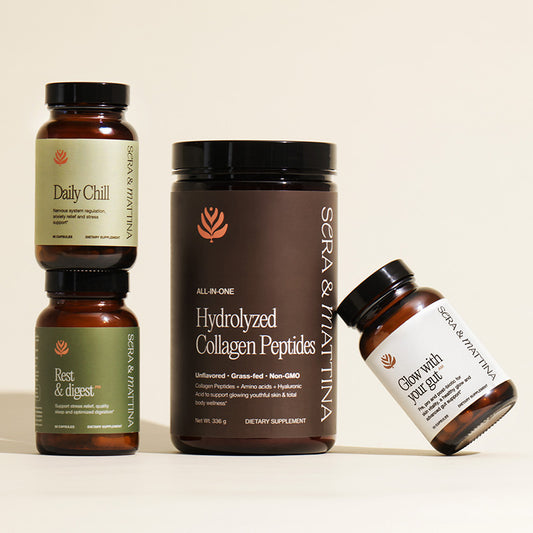
You can complement these everyday habits with Glow With Your Gut, featuring prebiotics, probiotics, and digestive enzymes. It's designed to support digestive wellness and makes a simple addition to a routine that already prioritizes nourishing, balanced meals.
A Seasonal Reminder
Eating seasonally doesn't have to mean following complicated recipes or completely changing the way you eat. Sometimes it's simply about choosing ingredients that are naturally abundant, experimenting with new flavors, and finding small ways to bring more variety into your meals.
So, this fall, look beyond the pumpkin spice latte. Try a new pumpkin variety, make a homemade soup, add a little purée to your morning oats, or save those pumpkin seeds for your next salad. It's a simple way to make the most of the season while bringing a little more nourishment into your everyday routine.
xx
Photo Reference: Photo